

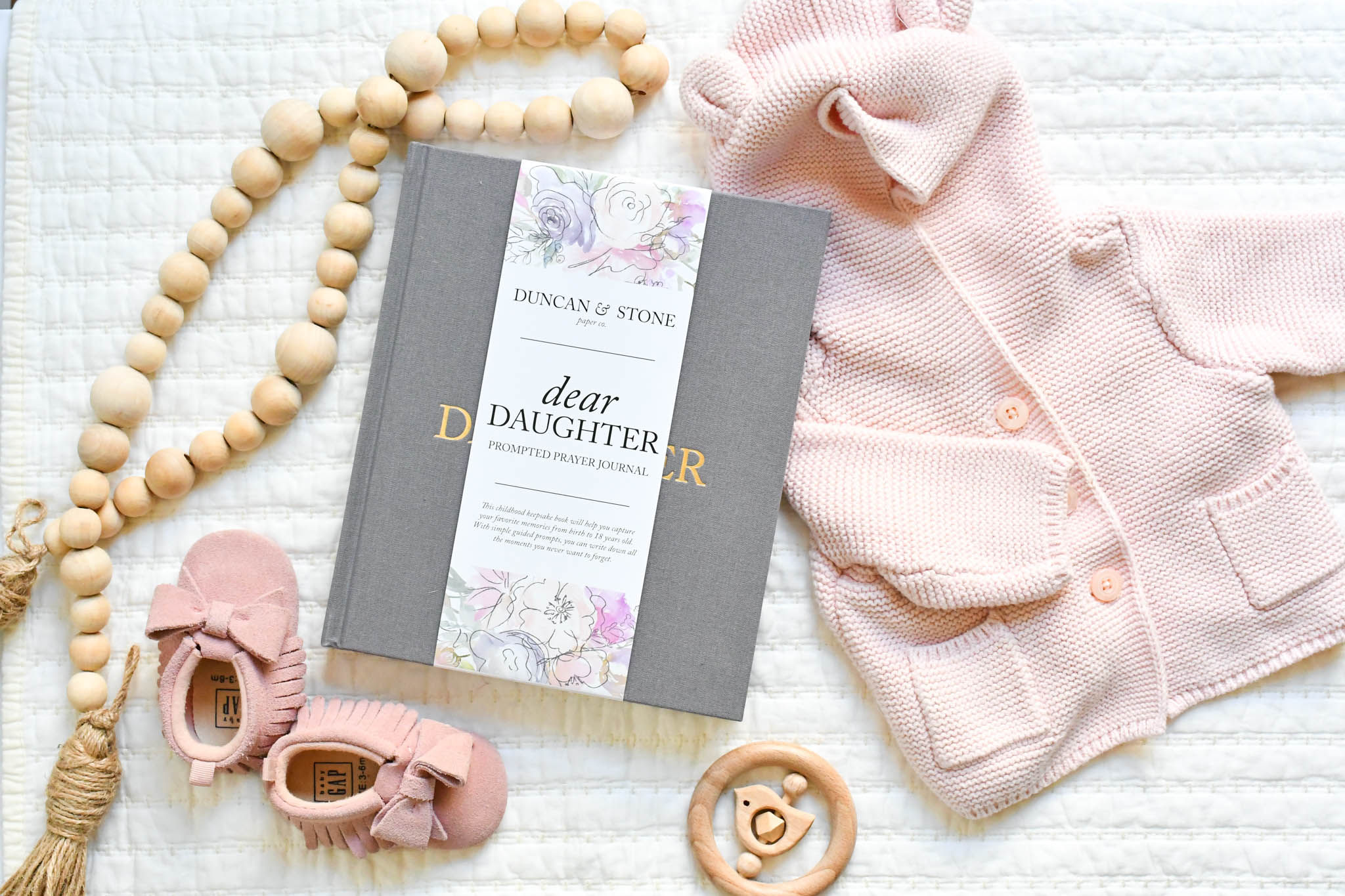
There is an old, bittersweet saying in parenthood: "The days are long, but the years are short." Never is this truer than during your child’s first twelve months of life. In a mere 365 days, a newborn transitions from a tiny, sleepy bundle into a walking, babbling toddler with a blooming personality. Along the way, they cross dozens of milestones—some monumental, like their first laugh, and some wonderfully ordinary, like the exact way they curl their tiny toes when they sleep.
As a parent, your instinct is to capture it all. But in our modern, fast-paced digital world, those memories often get trapped. They live in thousands of unorganized scrolling photos on your smartphone or scattered across social media updates. While digital snapshots are wonderful, there is something deeply grounding about a physical newborn memory book—a tangible archive that you can hold in your lap, pass around the living room to grandparents, and eventually hand down to your child.
Finding the right first year journal can feel overwhelming with so many options on the market. In this guide, we are breaking down what sets the best choices apart in 2026 so you can choose an infant keepsake book that matches your style, honors your memories, and preserves your family's story forever.
What Makes a Great Baby Memory Book?
When you are scrolling through options online, many books look identical at a quick glance. However, when you actually sit down to write in them at midnight during a quiet feeding session, the design details matter immensely. The best memory books share a few core design principles:
1. Simple, Minimalist Guided Prompts
The number one enemy of a completed baby book is overwhelming, text-heavy pages. If a journal asks you to write paragraph after paragraph detailing every single medical update or deep branch of a complex family tree, it quickly turns a beautiful reflection into an administrative chore. Look for a baby milestone tracker that utilizes brief, intentional prompts. Questions like, "What surprised us most about you this month?" or "What are your favorite ways to soothe?" give you just enough direction to clear writer's block while leaving room for your genuine story.
2. High-Quality, Heirloom Materials
This book is not a temporary notebook; it is a multi-generational legacy piece. It will be handled by tired hands, flipped through by curious toddlers, and packed away in keepsake boxes across decades. The best options feature:
- Wrapped Linen Covers: Naturally durable, tactile, and elegant.
- Gold Foil Lettering: Gives the cover a timeless, sophisticated aesthetic.
- Thick, Acid-Free Paper: Prevents ink bleeding from your favorite pens and ensures pages won't yellow or degrade over time.
3. Clean, Gender-Neutral Palettes
Modern nurseries and family aesthetics lean toward clean, intentional design. The best baby journals mirror this shift, stepping away from outdated, overly childish cartoon illustrations and bright primary colors. Neutral linen shades like cream, slate gray, navy, and soft earth tones ensure the book looks beautiful on any coffee table or nursery shelf.
At Duncan & Stone, we poured these exact principles into our signature Baby's First Year Memory Book. We stripped away the clutter to offer a registry favorite that balances simple, classic prompts with stunning craftsmanship, giving you a stress-free space to record the moments that matter most.
Tips for Transforming a Memory Book into a Legacy Piece
Once you have selected your perfect journal, the journey truly begins. Here is how to make the recording process a seamless, joyful part of your routine:
- Keep a Dedicated Pen Inside: Choose a high-quality archival ink pen that does not smudge or bleed, and slide it directly into the spine of the book. When your writing instrument is always right there with the journal, you eliminate a small friction point that often leads to procrastination.
- Treat it as a Monthly Ritual: Don't pressure yourself to update the book every single day. Instead, pick a calm day at the end of each month—perhaps the morning your baby turns a month older—to sit down with a warm cup of coffee or tea and spend ten peaceful minutes reflecting on the past four weeks.
- Combine Writing with a Baby Photo Book: A modern memory journal shouldn't just be text; it should double as a beautifully curated baby photo book. Leave space to paste in those beautiful candid shots, monthly milestone card pictures, and sweet family updates.
Frequently Asked Questions
1. What makes a baby memory book different from a scrapbook?
A scrapbook is traditionally a completely blank canvas that requires you to cut, paste, design layouts, and create decorative backgrounds from scratch. While highly creative, it requires massive amounts of time and supplies. A baby memory book provides a pre-designed, cohesive structure with guided prompts and designated photo boxes, allowing you to create a professional, beautiful keepsake in just a few minutes a month.
2. How many pages should a baby memory book have?
The sweet spot for a comprehensive first-year journal is usually between 60 to 80 pages. This provides ample room to cover pregnancy anticipation, birth details, month-by-month updates for the entire first year, major holidays, and first milestones, without becoming so thick that it feels intimidating or unmanageable to complete.
3. When is the best time to start filling in a baby memory book?
The absolute best time to start is late in your pregnancy or while you are navigating the final steps of your adoption journey. Writing down your feelings of anticipation, how you decorated the nursery, and the story of your final weeks of waiting creates a beautiful prelude to your baby’s arrival. If your little one is already here, don't worry—you can easily start right now and backfill the early pages using your phone's camera roll as a reference.
4. What milestones should I record in a baby memory book?
While physical milestones like rolling over, sitting up, and taking first steps are important, the best memories are often emotional and experiential. Record their first big belly laugh, how they react to the family pet, their favorite bedtime lullaby, what a typical day looks like, and the nicknames you find yourself calling them.
5. Can I include photos, footprints, and other keepsakes?
Yes! A high-quality book will feature thick pages specifically designed to handle the weight of printed photographs, hospital IDs, and ink prints of tiny newborn hands or feet without tearing or bleeding through to the other side.
6. Are baby memory books gender-neutral?
Many modern choices are entirely gender-neutral. Moving away from rigid "baby pink" or "baby blue" color schemes, the top choices feature beautiful, earthy linen options like sage, taupe, cream, and charcoal. This makes them highly versatile, perfect for registry gifts when the gender is a surprise, and complementary to any home style.
7. How do I preserve a baby memory book long-term?
To keep your heirloom looking pristine for decades, store it in a temperature-controlled environment away from direct, prolonged sunlight (which can fade linen covers over time). Always write with acid-free, archival ink pens, and use photo-safe adhesive or corner stickers to attach your prints so the glue doesn't damage the paper over time.
8. What should I look for when buying a baby memory book?
Prioritize simple layouts, a flat-laying spine binding (so the book stays open easily while you write), durable materials like wrapped linen, and prompts that align with your family structure. If you want a book that perfectly captures this effortless, timeless aesthetic, explore our thoughtfully designed collections on the Duncan & Stone Registry Favorites Page.
Share:
The Ultimate Baby Book Guide: How to Capture Every Precious First-Year Moment
How to Start a Pregnancy Journal: Week-by-Week Tips to Document Your Journey