

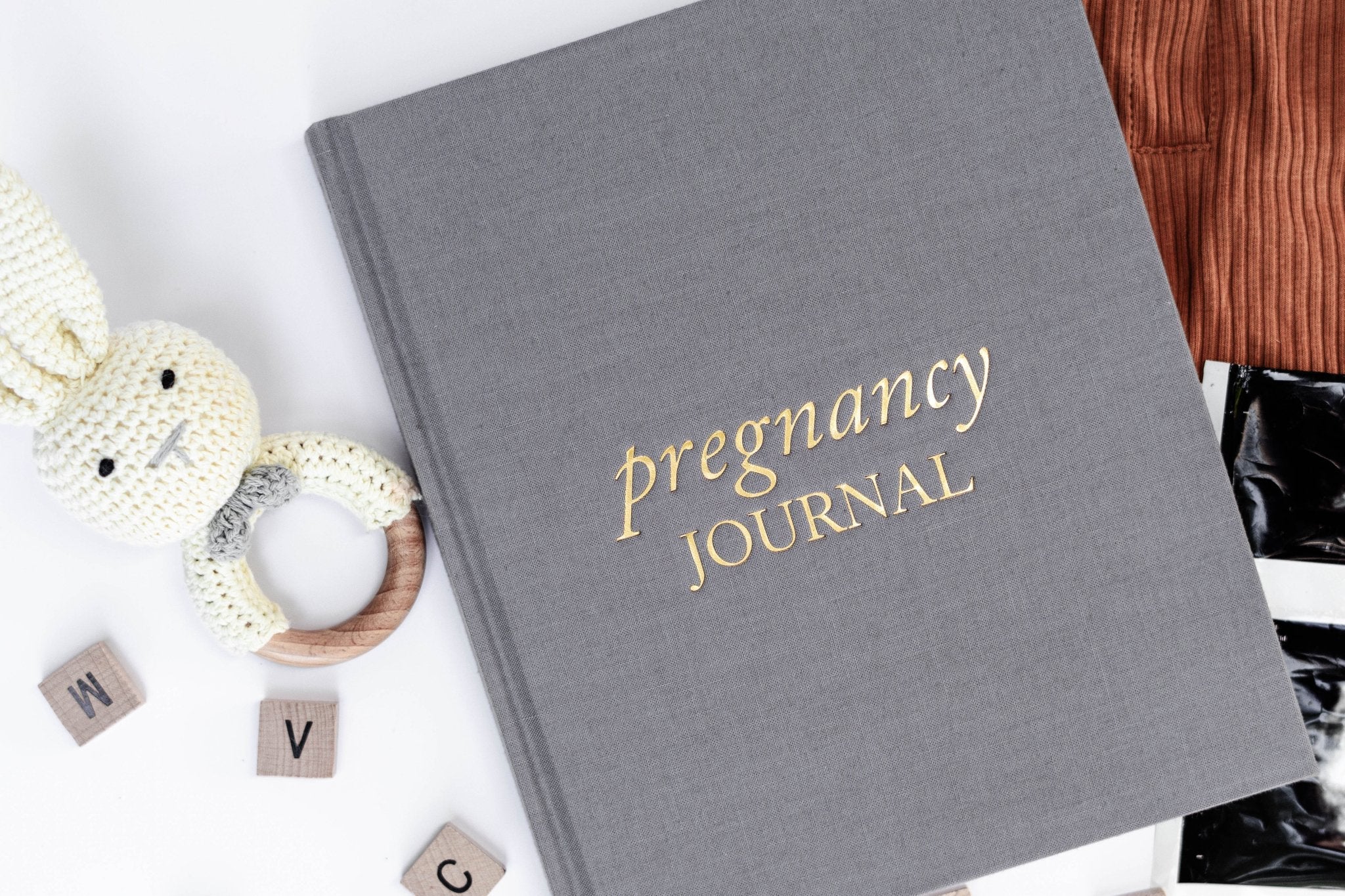
Finding out that you are expecting a baby is a moment that shifts your world forever. Whether it happened after years of quiet waiting, a long adoption journey, or as a beautiful surprise, the path of pregnancy is a profound chapter in your family’s history. Over the next forty weeks, your body, your emotions, and your daily life will undergo an incredible transformation. You will navigate the quiet exhaustion of the first trimester, the joyful anticipation of the first tiny kicks in the second, and the busy nesting energy of the final weeks.
But as any mother will tell you, memory can be remarkably fleeting. Once your sweet baby is in your arms and the sleepless newborn days begin, the specific details of your pregnancy journey quickly start to blur. You might forget the exact food craving that made you laugh, the song that always seemed to make your baby move, or the heartfelt prayers and hopes you whispered over your growing bump in the quiet of the night.
That is exactly why keeping a pregnancy journal is such a beautiful investment. It serves as a dedicated maternity journal and a timeless bump journal—a safe space to pause, reflect, and capture the magic of the ordinary before it slips away.
In this guide, we will share practical, stress-free tips on how to start your pregnancy diary and keep it updated week-by-week as you prepare to welcome your little one.
Pregnancy Journal vs. Baby Book: What’s the Difference?
When you begin looking for ways to document this life-changing season, it’s common to wonder if you really need both an expecting mom journal and a traditional baby book. While they complement one another beautifully, they serve entirely different emotional purposes:
- The Pregnancy Journal: This book is uniquely yours. It focuses on the internal and physical journey of motherhood. It documents your personal transformations, your symptoms, your emotional landscape, your marriage or relationship dynamics during the wait, and your early dreams for your child. It captures the story before the birth.
- The Baby Book: A baby book is centered around the child’s physical growth, developmental milestones, and experiential memories once they enter the world. It tracks their first year of life, from their birth story to their first steps and their earliest holidays.
Think of your weekly pregnancy journal as the beautiful foundation of the story, and the baby book as the exciting first chapter.
Week-by-Week Prompt Ideas to Deepen Your Journaling
The biggest hurdle to completing an heirloom-quality journal isn’t a lack of love—it’s facing a blank page when you are tired. To make your journaling journey effortless, it helps to break your entries down by trimester and use simple, intentional prompts.
The First Trimester: Weeks 1 to 13 (The Season of Discovery)
The early weeks of pregnancy are often a time of quiet, sacred waiting. You are adjusting to the big news, coping with early symptoms, and perhaps keeping a beautiful secret.
- What to write: Describe the exact moment you found out you were pregnant. Who was the first person you told, and what was their reaction? Record your early physical symptoms, your funny food aversions, and the specific hopes you are holding in your heart as you process the reality of becoming a mother.
The Second Trimester: Weeks 14 to 27 (The Season of Connection)
Often called the "honeymoon phase" of pregnancy, the second trimester usually brings a welcome return of energy. It is also the season where your pregnancy becomes tangible to the outside world as your bump grows.
- What to write: Document the incredible moment you felt those first fluttery movements or definitive kicks. Write down the names you are considering, how you are planning the nursery, and what it felt like to see your little one stretch and move during your mid-pregnancy ultrasound appointment.
The Third Trimester: Weeks 28 to 40+ (The Season of Preparation)
The final stretch is defined by anticipation. Your mind is shifting toward labor, delivery, and the beautiful reality of finally holding your baby face-to-face.
- What to write: Describe the busy nesting instincts kicking in around your home. What are you most excited about—and what are you feeling a little nervous about—as you look ahead to birth? Write a direct, heartfelt letter or prayer to your baby, telling them how loved they already are and how ready your family is to meet them.
At Duncan & Stone, we designed our signature cloth-bound Dear Baby: A Pregnancy Prayer Journal to support you through this exact timeline. It strips away the overwhelming, rigid tracking and replaces it with timeless linen craftsmanship, elegant layouts, and minimal, guided prompts that allow you to capture both your physical milestones and your deepest spiritual reflections without feeling like a chore.
Tips for Keeping Your Journal Effortlessly Updated
Parenthood requires grace, and so does memory keeping. Here are a few practical strategies to ensure your journal becomes a completed legacy piece:
- Embrace Your Real Handwriting: Don't stress about making every page look visually perfect. Seeing your genuine handwriting—even if it's a bit hurried on a day you were feeling tired—is exactly what makes an heirloom feel personal and authentic decades from now.
- Anchor Writing to a Weekly Habit: Pair your journaling with a quiet moment you already look forward to. Whether it’s Sunday morning coffee, Tuesday night after a warm bath, or right before you turn off your lamp at night, linking your writing to an existing routine makes it effortless to maintain.
- Keep It Within Sight: Don’t pack your journal away in a keepsake box or leave it hidden in a drawer. Keep it right on your nightstand or next to your favorite spot on the couch so it serves as a gentle, inviting reminder to pause and reflect.
Frequently Asked Questions
1. What is a pregnancy journal and why should I keep one?
A pregnancy journal is a dedicated memory book used to record your physical changes, emotional reflections, and milestones from conception through birth. Keeping one allows you to slow down and process the massive transition into motherhood, while creating a priceless family heirloom that documents your child’s very beginning.
2. When should I start a pregnancy journal?
You can start the very day you see that positive test! Documenting the raw, immediate emotions of discovery is incredibly special. However, if you don't pick up a journal until your second trimester—or even your third—it is never too late. You can easily backfill the early weeks by reflecting on your calendar dates or looking at early ultrasound prints.
3. What should I write in a pregnancy journal each week?
You don't need to write an essay. Focus on brief, meaningful snapshots: your physical symptoms or cravings, a significant moment from the week (like choosing a crib or hearing the heartbeat), how your partner is getting ready, and a short message or prayer written directly to your baby.
4. Are there pregnancy journals designed for high-risk pregnancies?
Yes. If you are navigating a high-risk pregnancy, look for a journal that offers open-ended, minimal prompts rather than rigid medical logs. A minimalist layout allows you to focus heavily on the emotional connection and your hopes for your baby, providing a gentle space to process your feelings without forcing you to fill out standard milestone prompts that might not fit your unique clinical experience.
5. Can I write in a pregnancy journal after the baby is born?
Absolutely! The final pages of a high-quality journal are the perfect place to record the birth story, your initial feelings when you finally held your baby, their first days at home, and reflections on your transition into postpartum life.
6. Are pregnancy journals a good gift for expecting moms?
They are an incredibly thoughtful and meaningful gift. While baby showers are often flooded with temporary items like newborn clothes and diapers, a beautiful linen maternity journal tells an expecting mother that her personal story and her emotional well-being throughout the journey matter deeply.
7. Can I share my pregnancy journal with my partner?
Sharing your journal can be a beautiful way to strengthen your connection. You can invite your partner to write their own thoughts, letters, or words of encouragement directly on the pages, transforming the book into a collaborative legacy piece that reflects both parents' love from the very start.
8. Where can I find a high-quality, timeless pregnancy journal?
You can discover our registry-favorite memory books directly on the Duncan & Stone Pregnancy Collection Page. Designed with wrapped linen covers, flat-laying bindings, and clean layouts, our books are crafted to help you capture the moments that matter most with absolute ease.
Share:
Best Baby Memory Books of 2026: Preserve Your Newborn's Milestones Forever
10 Heartwarming Memory Book Ideas to Celebrate Life's Most Special Moments