

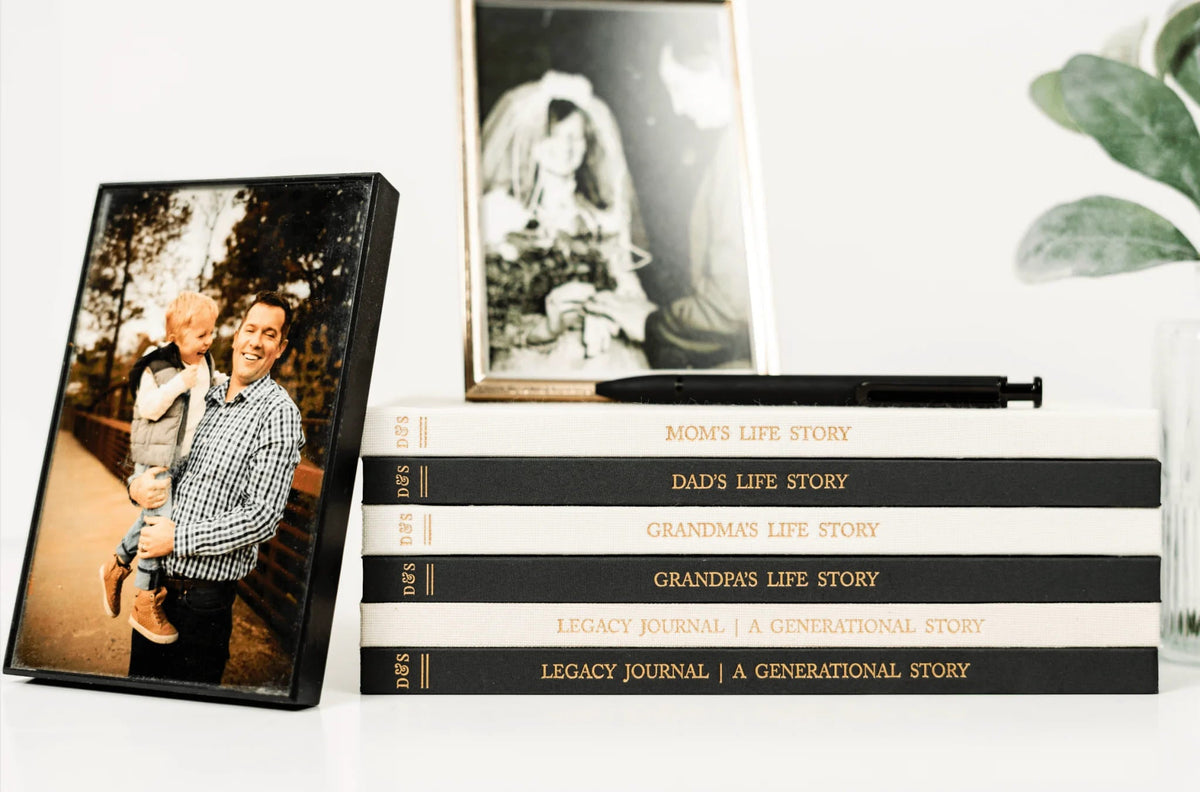
In a fast-paced digital world where family milestones are frequently captured on a smartphone only to be lost deep within the cloud, there is something deeply grounding about holding a physical repository of your family’s history. A beautifully curated memory book allows you to step away from the screen and engage in intentional storytelling. It turns fleeting, everyday interactions into an heirloom that can be passed down through generations.
Many well-intentioned parents and grandparents put off creating a keepsake memory book because the process feels too daunting. They assume it requires hours of meticulous layout design, expensive craft supplies, and professional-grade artistic talent. But archiving your family's legacy doesn't have to be overwhelming. By shifting your perspective from creating a flawless artistic masterpiece to preserving simple, authentic moments, you can easily design a meaningful collection of stories that your family will treasure forever.
Moving Beyond the Traditional Scrapbook Album
For decades, the standard approach to physical archiving was the traditional scrapbook album. While these are beautiful, they often turn into a source of stress. Between custom patterned papers, sticker packs, die-cuts, and complicated layouts, many families find themselves with half-finished books sitting in closets.
Modern storytelling emphasizes simplicity and consistency. Instead of overwhelming yourself with blank pages that require total creative direction, leaning into a guided format ensures success. By utilizing clean, timeless layouts and guided prompts, you can effortlessly blend written history with your favorite snapshots. This balanced framework eliminates the "blank-page anxiety" and helps you focus on what truly matters: the raw details, funny quotes, and emotional milestones of your family's journey.
Creative Ideas for a Dynamic Family Memory Book
To create a rich, engaging historical record, consider blending multiple types of documentation styles. Here are some popular, accessible ideas to bring your pages to life:
- The "Year-In-Review" Archive: Set a recurrent annual tradition where you compile the highlights, shifts, growth milestones, and challenges of the past twelve months.
- A Dedicated Photo Memory Book: Curate a collection centered entirely around visual narratives. Instead of just printing portraits, focus on candid action shots—messy baking sessions, spontaneous backyard games, and sleepy Saturday mornings.
- The Shared Multi-Generational Legacy: Work on a collaborative family history book where grandparents, parents, and children all contribute reflections. This captures a multi-dimensional look at your family's unique roots.
Frequently Asked Questions (FAQs)
1. What is a memory book and how do I start one?
A memory book is a physical journal or album designed to preserve personal milestones, family stories, and meaningful photographs. The easiest way to start is by selecting a high-quality, guided journal that fits your lifestyle. Instead of waiting for a major milestone, begin today by documenting a few current family dynamics, favorite traditions, or recent triumphs.
2. What's the best way to make a family memory book?
The best approach relies entirely on consistency over perfection. Choose a template or structured layout that simplifies the process. Dedicate just fifteen minutes a week or one evening a month to updating your pages. Pair your printed photographs with handwritten notes detailing the context, date, and emotions surrounding the memory.
3. What are the most popular memory book ideas for families?
Popular themes include tracking a child's annual growth, chronicling major family vacations, preserving holiday traditions, and building ancestral history books that trace lineage. Many families also love keeping a dedicated "funny quotes log" within their pages to capture the humorous things their kids say.
4. Should I make one big family memory book or one per person?
Both paths hold immense value! A singular, cohesive family book is excellent for documenting group vacations, home moves, and holiday traditions. However, creating individual keepsake volumes for each child ensures that they will one day inherit a personalized roadmap of their own childhood, unique personality traits, and specific achievements.
5. How do I include extended family in a memory book?
You can easily invite extended family members to contribute by passing the journal around during major family reunions or holidays. Ask grandparents, aunts, and uncles to fill out specific prompt pages, share an old family recipe, or write down a handwritten letter filled with wisdom for the younger generation.
6. What materials do I need for a memory book?
To ensure your stories stand the test of time, look for high-quality journals crafted with acid-free, archival-grade paper that won't yellow or degrade. Beyond a structured journal, all you truly need is a dependable, fade-resistant archival pen and acid-free photo adhesive tape or photo corners to secure your prints.
7. Can my kids help me make a memory book?
Absolutely! Involving children makes the preservation process a collaborative family memory in itself. Let your kids pick their favorite photos, dictate their own descriptions of family events, or add their physical handprints and drawings directly to the pages.
8. How do I preserve a memory book for future generations?
To protect your completed heirloom volumes, store them in a climate-controlled room away from direct sunlight, excess humidity, or extreme heat fluctuations. Always handle the pages with clean, dry hands, and consider exploring the archival collections at Duncan & Stone Paper Co. Life Story Collection for timeless, durable binding options built to last.
Share:
Father's Day Gift Guide: Memory Books and Journals Dad Will Actually Treasure
Everything You Need to Know About Wedding Vow Books: A Complete Guide for Couples