

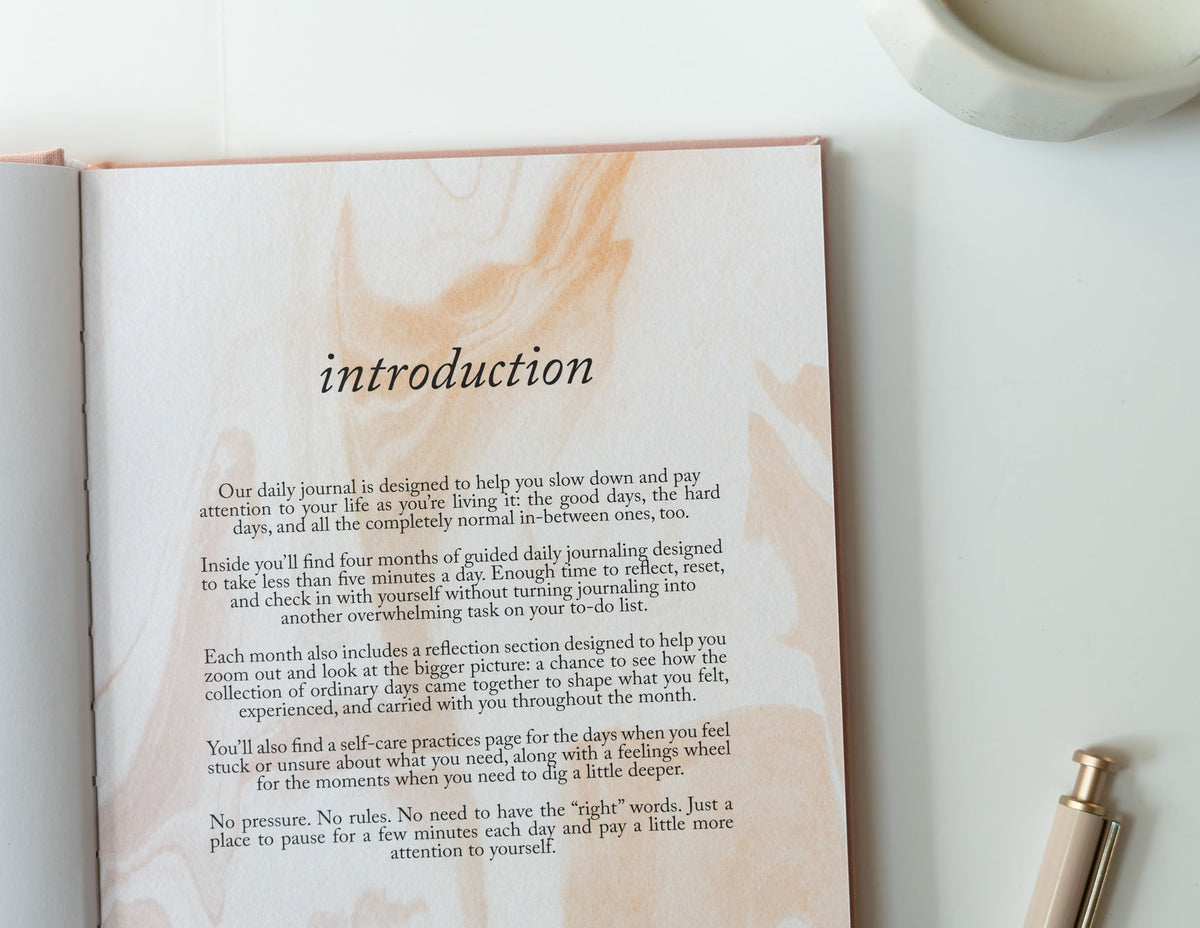
For those who love nothing more than losing themselves in a great story, literature is more than a passing hobby—it is a core lifestyle element. Yet, as our personal libraries expand, it becomes increasingly difficult to hold onto the specific magic of every book we close. Over time, distinct plot twists, complex character development, and life-changing paragraphs naturally fade from memory.
To anchor your literary experiences, turning to a physical logging companion is an incredibly rewarding step. However, as you begin exploring structural layouts, you will likely encounter two terms used interchangeably: a book journal and a reading journal. While they sound identical on the surface, they actually serve two entirely distinct approaches to the literary lifestyle. Understanding these functional differences is the secret to choosing a setup that beautifully complements your personal reading style.
Defining the Core Structural Differences
To find your perfect paper companion, it helps to look at how each framework approaches your shelf:
- The Reading Journal (The Process Tracker): This layout acts as an active, real-time reflection of your daily relationship with books. A reading journal or book tracker focuses heavily on quantitative habits—tracking your current page count, monitoring reading streaks, charting formatting splits between audio and physical formats, and maintaining a chronological calendar of your literary lifestyle.
- The Book Journal (The Analytical Record): This format steps away from daily habits to focus entirely on deep, post-completion analysis. A dedicated book journal or book review journal treats each title as an individual historical milestone. It gives you expansive structural blocks to draft formal literary critiques, outline intricate plot maps, dissect thematic structures, and catalog permanent notes.
Which Format Best Fits Your Literary Lifestyle?
If your primary goal is to build a consistent daily reading habit, break free from digital screen fatigue, and keep an organized running list of your annual library, the action-oriented focus of a reading journal is an excellent choice.
Conversely, if you are a deep thinker who loves to unpack complex prose, archive timeless quotes, and preserve permanent essays on how specific narratives shifted your personal worldview, a dedicated literary journal is your ideal space. This analytical framework slows down your consumption, prioritizing deep integration over rapid completion.
Frequently Asked Questions (FAQs)
1. What is a book journal?
A book journal is a specialized keepsake notebook organized specifically to help readers analyze, critique, and permanently archive their thoughts on individual books after completion. It prioritizes qualitative reflection over basic quantitative tracking.
2. How is a book journal different from a reading journal?
While a reading journal or reader's journal tracks your real-time daily reading habits, annual numeric goals, and chronological book lists, a book journal focuses on deep post-read synthesis, giving you dedicated space to write reviews, trace thematic motifs, and preserve key intellectual takeaways.
3. What should I write in a book journal?
Focus your entries on deeper literary analysis. Write down a comprehensive summary of the core thesis or plot, deep character breakdowns, evaluations of the author's writing style, personal emotional reflections on how the narrative impacted you, and a catalog of favorite quotes.
4. Which is better for book clubs — a book journal or a reading journal?
A book journal functions beautifully as a specialized book club journal. Because it centers entirely on deep thematic analysis and structured critiques, updating your entries before a meeting ensures you will have an organized collection of specific talking points and questions ready for your group.
5. Can one journal serve as both?
Absolutely! Many comprehensive journals elegantly bridge this gap by pairing light quantitative tracking features—like an annual reading index checklist—alongside expansive, open-ended review pages for deep qualitative analysis.
6. What's the best format for tracking books read?
The most reliable format combines a structured numerical index at the front of the book for quick visual logging alongside dedicated, guided template pages for your comprehensive written thoughts, keeping your archive perfectly organized.
7. Should I write a review after every book in a book journal?
There are no rigid rules in personal journaling! While reviewing every title builds an incredible comprehensive archive, many readers prefer to save their formal journal entries for books that deeply moved them, challenged their paradigms, or left an indelible mark on their life.
8. Is a book journal a good gift for an avid reader?
A high-quality linen-bound log makes an incredibly thoughtful and sophisticated book lover gift. It honors their passion for learning, elevates their home library aesthetic, and provides an elegant canvas to document their lifelong intellectual journey. Explore beautiful options to anchor your reading life at Duncan & Stone Paper Co..
Share:
Why a Childhood Memory Book Is the Perfect Gift for a Summer Baby Shower
Heirloom Recipe Books: How to Turn Grandma's Recipes Into a Keepsake Cookbook