

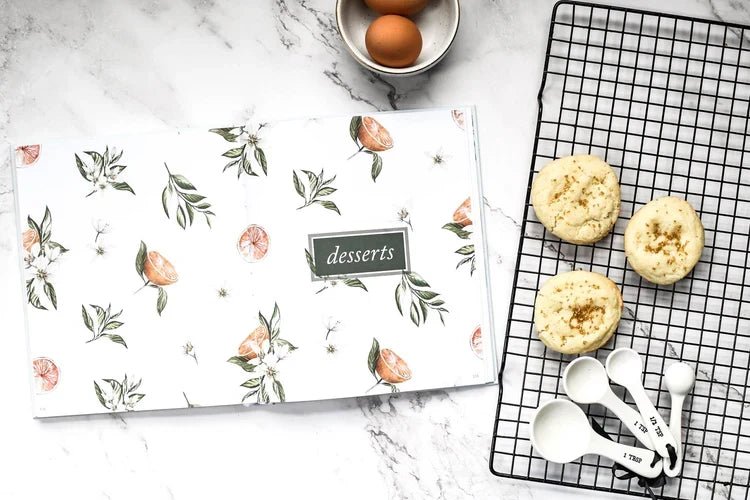
Food is one of our most powerful conduits to memory. The rich aroma of a specific holiday roast, the perfect sweetness of a summer pie, or the comforting warmth of a Sunday soup can instantly transport us back to our childhood kitchen, surrounded by the people we love most. Yet, so many foundational family recipes are preserved on stained, fraying index cards tucked into mismatched drawers, or worse, stored entirely in the memory of older family members.
Preserving these traditions within a dedicated heirloom recipe book is a profound way to honor your family's culinary legacy. By moving your heritage dishes out of loose drawers and organizing them into a permanent, structured family cookbook, you protect your history from fading and create a beautiful kitchen treasure to pass down through generations.
The Magic of a Handwritten Kitchen Journal
In a digital age dominated by bookmarked food blogs and quick video recipes, there is something deeply sacred about a handwritten recipe book. Food blogs can disappear and digital links can break, but a tangible, clothback kitchen journal is a permanent fixture on your countertop.
Furthermore, a physical book holds an emotional texture that digital text simply cannot replicate. Seeing a matriarch's distinct cursive script, noting the faint flour smudges or vanilla stains on a page from a holiday baking session, and reading handwritten adjustments in the margins turns a list of ingredients into a living piece of history. It connects future generations directly to the hands that fed them.
Practical Strategies for Organizing Your Family Cookbook
Compiling decades of casual culinary history into a clean, cohesive format doesn't have to be an overwhelming task. Use these practical structural tips to build a beautifully organized, functional culinary legacy:
- Emphasize Storytelling Over Lists: Don't just log ingredients. Dedicate a meaningful block of space on each page to record the history of the dish—who originally created it, what specific family holidays it defines, and any funny stories surrounding it.
- Incorporate Visual Context: Pair your recipes with physical prints of your family gathering around the table or candid snapshots of older generations active in the kitchen, turning your volume into a true historical archive.
- Choose a High-Quality, Durable Design: Kitchen journals face a high-wear environment. Opt for a hardbound linen exterior with heavy, bleed-resistant internal pages built to survive decades of countertop use.
Frequently Asked Questions (FAQs)
1. How do I organize family recipes into a book?
Start by gathering all loose recipe cards, scrap papers, and digital notes from family members. Sort them into foundational lifestyle categories, such as holiday traditions, weekday dinners, or signature desserts. Once categorized, transcribe the most beloved heritage dishes into a premium, structured journal.
2. What if some of grandma's recipes are vague or incomplete?
It is incredibly common for older generations to cook by intuition, utilizing vague measurements like a "pinch of this" or a "handful of that." Turn this challenge into a collaborative experience: spend an afternoon cooking the dish alongside them, carefully measuring their intuitive steps with standard tools so you can preserve an accurate measurement for the page.
3. What makes a great recipe book gift?
The best gifts combine effortless functionality with elegant, timeless design. Look for a clean, layout-driven book bound in premium linen that sits naturally alongside beautiful coffee table books while offering structured, user-friendly prompt lines on the interior.
4. Should I go digital or handwritten for a family recipe book?
While digital databases offer quick searching, a handwritten volume is unmatched in emotional value and heirloom longevity. Handwriting your recipes infuses the pages with personal identity and ensures your family's culinary history exists as a physical piece of home decor rather than a digital file.
5. How do I preserve handwritten recipes from older family members?
To protect original, fragile handwritten cards from kitchen spills, keep them safely archived in a climate-controlled room. You can take a high-resolution photo of the original handwriting, print it out, and attach it directly onto the designated page of your new hardbound journal.
6. Can I include photos and stories alongside recipes?
Absolutely! In fact, the cultural background and emotional memories are what turn a basic instruction list into a true heirloom. Always look for a kitchen log format that provides flexible open lines or blank spaces next to each dish to write down personal history notes, holiday traditions, and candid family dinner photos.
7. What sections should an heirloom recipe book include?
A great foundational framework features clean divisions for morning breakfast traditions, core main dishes, shared family appetizers, signature sides, and celebrated holiday desserts. Including a custom blank table of contents at the front makes it incredibly easy for family members to navigate the book.
8. How do I copy a recipe book for multiple family members?
If you want to share the completed archive across multiple households, you can elegantly fill out a master copy, take high-resolution scans of the finished internal pages, and print beautiful duplicate bound volumes for siblings or grandchildren. Discover the perfect home for your family's culinary traditions at the Duncan & Stone Paper Co. Family Recipe Book.
Share:
Book Journal vs. Reading Journal: What's the Difference and Which One Do You Need?
Baby Books as Shower Gifts: How to Choose the Perfect Keepsake for a New Mom